Blog
Stories & insights
Discover case studies, community impact stories, and insights from the field of participatory funding.
 local currencyhigh street
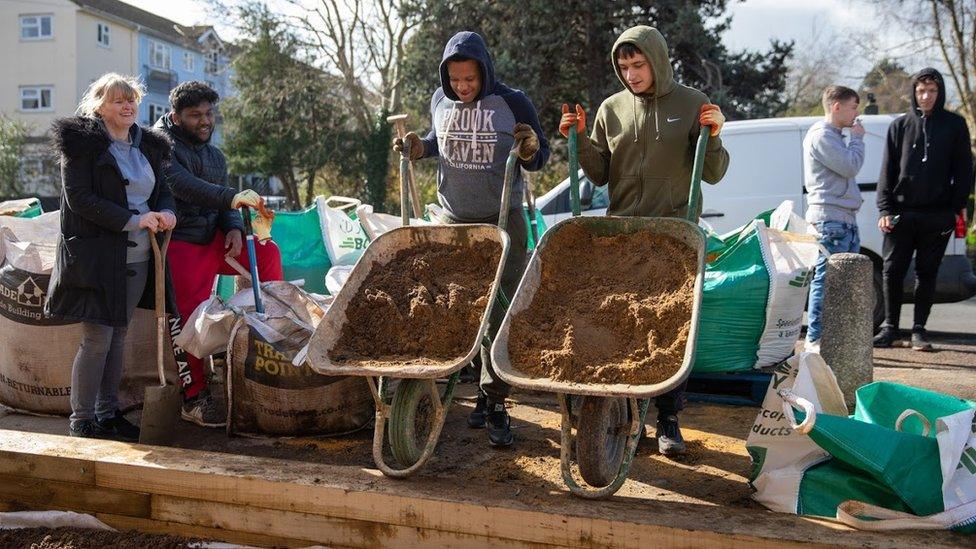
The town that saved its high street with a raffle
Pudsey sells £1 raffle tickets in its shops and pays the winners in a currency that only works in town. Around 100,000 Pudsey pounds are now circulating. We have built a digital version, Shop Local, that keeps the raffle drum and automates the treasurer's spreadsheet.
 community currencymutual credit
How to set up a community currency.
A practical, plain-English guide to every setting: credit limits, balance decay, the treasury floor and the rest. What we default to, what to think about before changing it, and why a currency dies of inactivity far more often than of a badly chosen number.
 local democracyconviction voting
What if politicians lost their power the moment they lost your trust?
Not at the next election. Not after a scandal and an inquiry. That sounds like an abstract thought experiment. It was until we built it, and we think it has something to say about how democracy itself could work.
 localdemocracytyranny of the majority
The tyranny of the majority (and how we're patching it)
Plato's oldest objection to democracy is that the 51% will simply vote themselves the benefits and send the bill to the 49%. Here's how hum's governance already partly answers him and the two new mechanisms coming soon that go further.
- community currencymutual credit
What if your community had its own currency?
Introducing Community Currency: a new tool in hum that helps communities recognise, track, and circulate the value they already create together.
 savings poolcommunity wealth
Your community is the bank
Introducing Savings Pool - a new tool in hum that turns a community's own small, regular savings into a shared fund that lends, grows, and pays its profits back to everyone.

Funding That Flows: Why Grants Should Behave More Like Rivers Than Calendars
Most grant funding behaves like a dam. Money is held back behind a wall, released only at scheduled intervals, and communities downstream must line up at the appointed hour, applications in hand, hoping to catch some of the flow before the gates close again. Miss the round, and you wait months for the next one — by which time the problem you needed to solve has changed shape entirely.

A new chapter for community controlled funding
Hum.community – a new kind of local economy
Using technology to put locals back in control of where the money goes
Hum.community vs Open Collective

Case Study: Mohua 2042 – Community-Led Sustainability and Participatory Grantmaking in Action

Why Web 3
Rethinking philanthropy: What if communities controlled the money?

A new approach to philanthropy – Creating a Wellbeing Economy
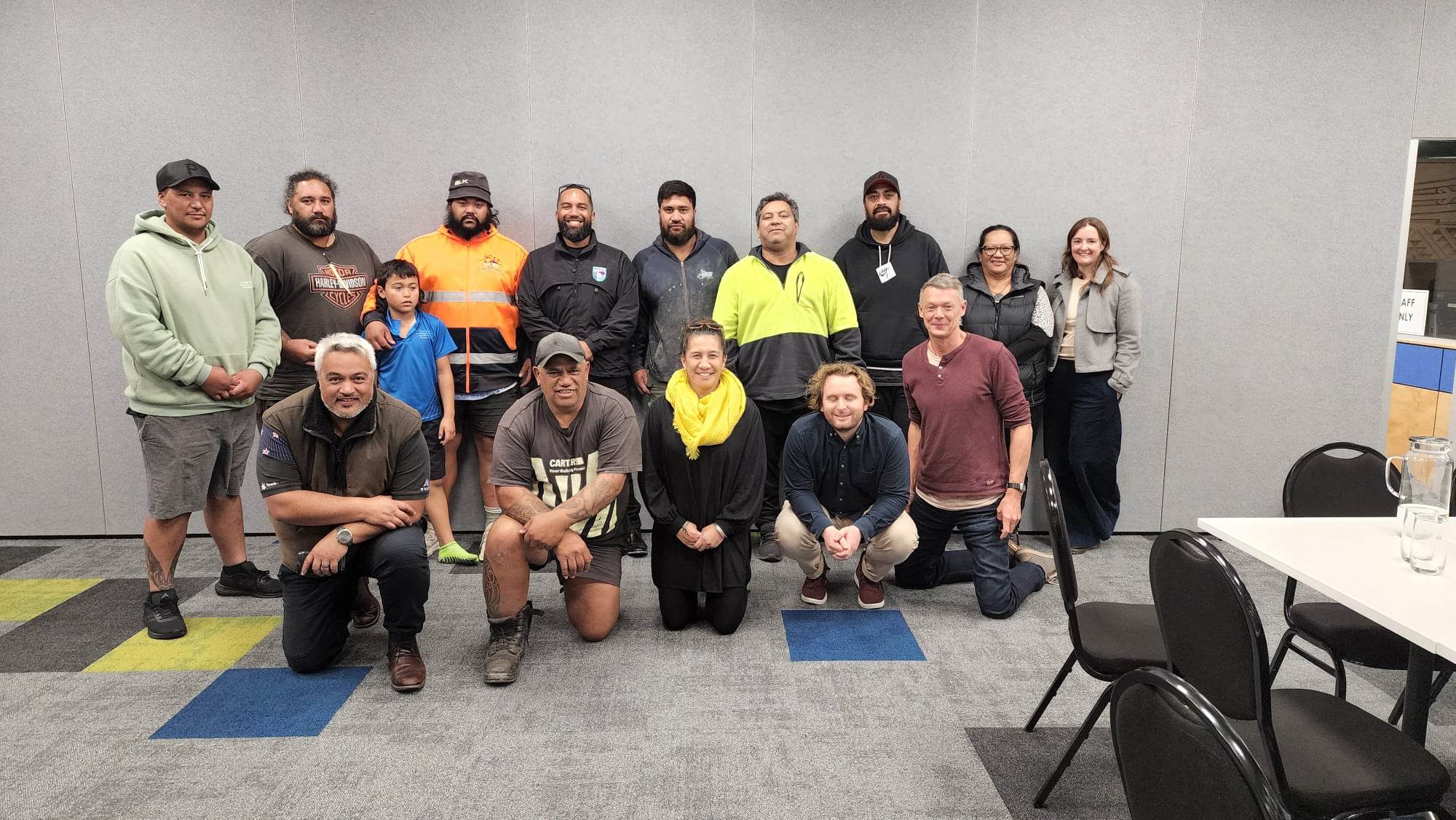
Case Study: Tāne Ora - Improving access to funding for community-led initiatives

Ethereum Foundation executive director Aya Miyaguchi seeds Rātā Rangatahi Fund

Trust based Philanthropy and Web 3.0 - Can We Scale Localism?

The Commons Reimagined: Empowering Communities Through Biodiversity Legislation and Web 3
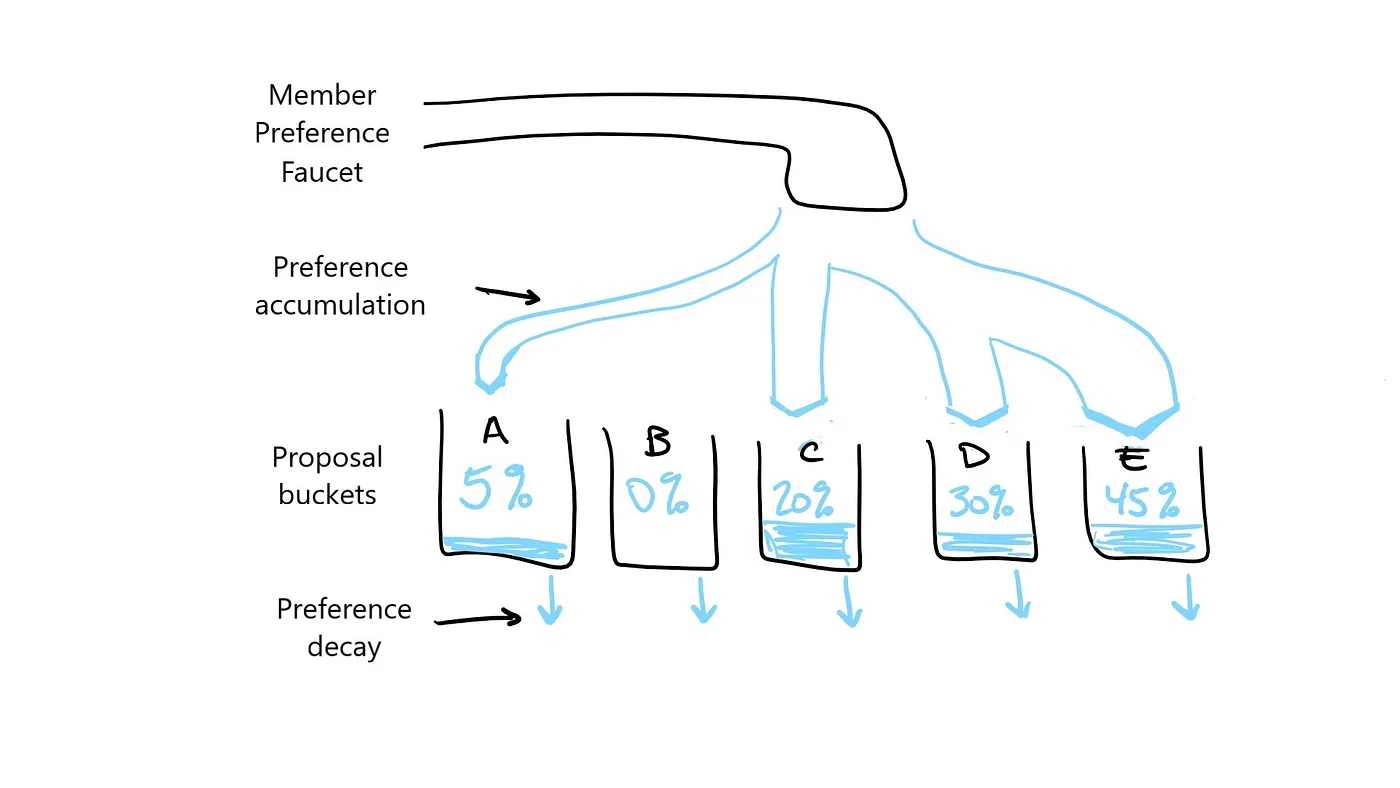
Quadratic and Conviction Voting: new ways to make decisions

Stay in the loop
Occasional updates on community wealth, new features and what we're learning.