Theory of Change
Community-governed economies are not a new idea. They are the oldest idea.
Hum builds the scalable civic infrastructure that puts that idea back into everyday practice, so wealth, in all its forms, can grow and stay local.
The problem
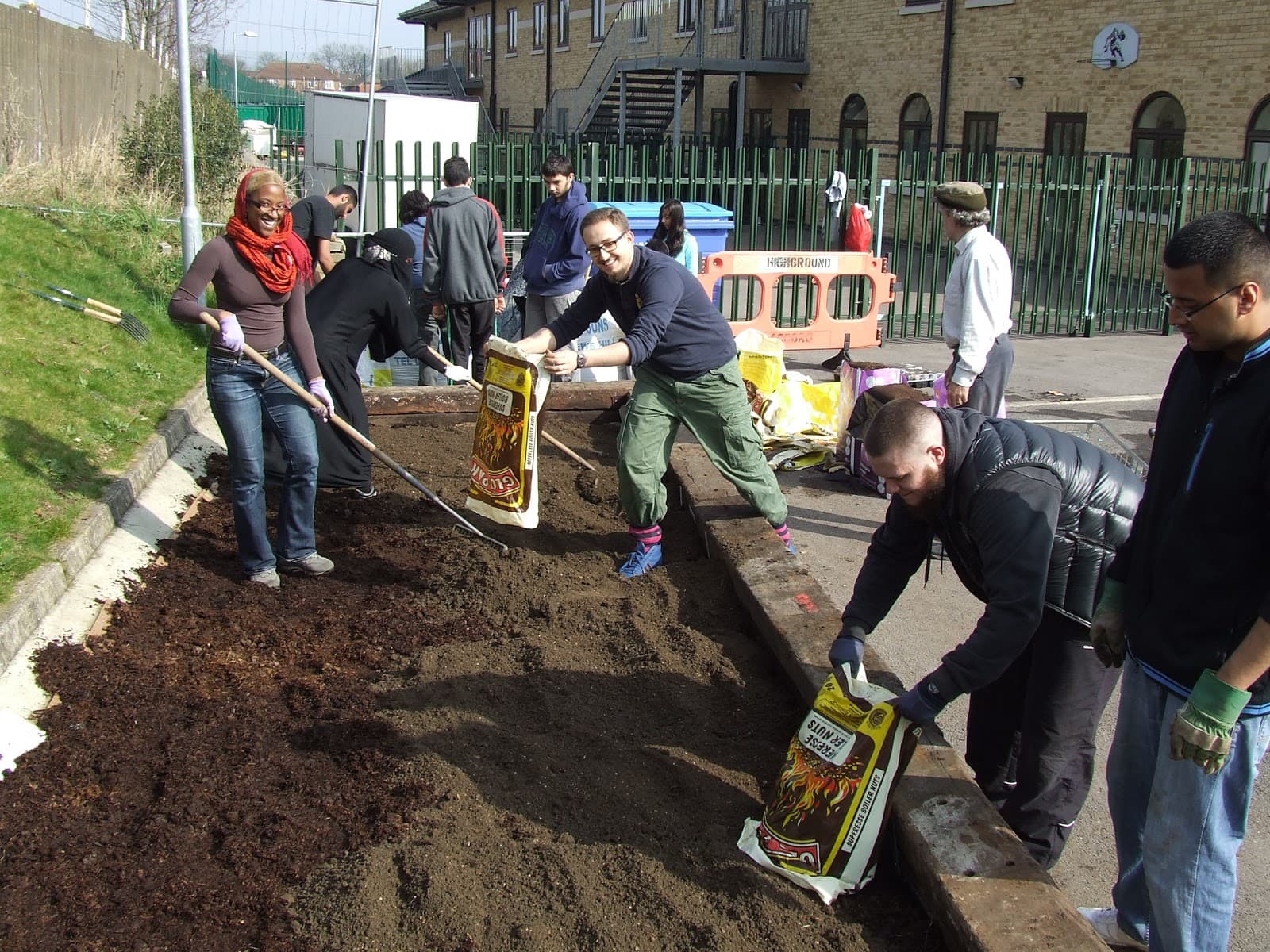
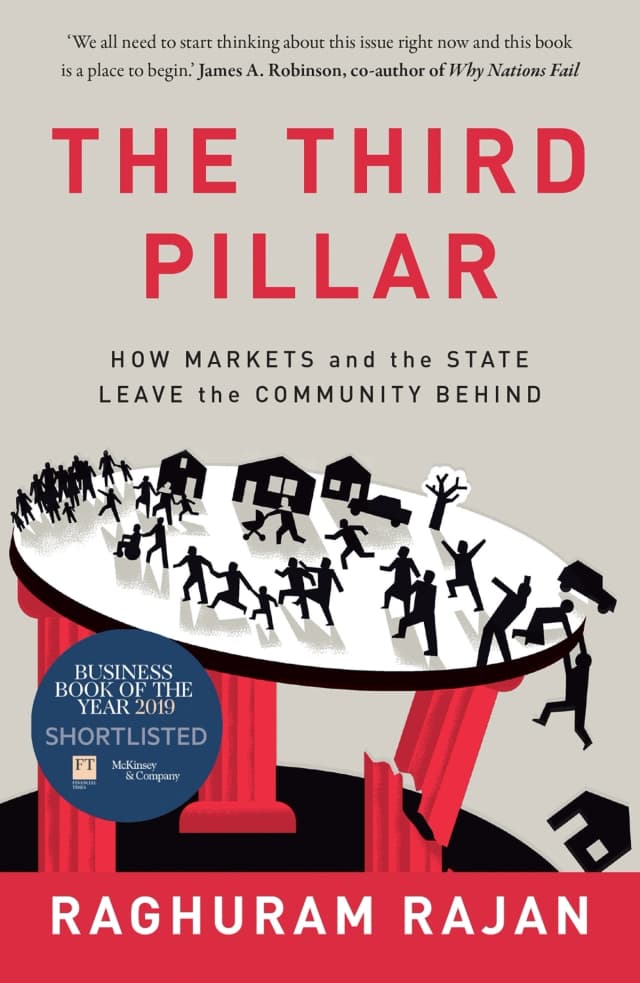
Modern society runs on two pillars: the market and the state. Both have grown enormously powerful. The third pillar, community, has withered. Capital intended to help communities passes through layers of bureaucracy and typically arrives as individual charity, not community agency. The results are visible everywhere: widening wealth disparity, collapsing trust, loneliness, and populism filling the vacuum where community used to be.
Colonisation ran this pattern at its most brutal, dismantling indigenous economies built on collective ownership and reciprocity. The marginalisation of community is not an accident. It's a feature of scaled capitalism.
The results, in numbers
Extreme wealth concentration
The richest 1% own 43.8% of the world's wealth; the poorest half holds 0.52%. Oxfam, 2026 →
Collapsing trust
Seven in ten people are now unwilling or hesitant to trust anyone with different values or backgrounds. Edelman Trust Barometer, 2026 →
Young lives lost
Suicide is the third leading cause of death among 15 to 29 year olds worldwide. WHO, 2025 →
Funding that never arrives
A decade after donors pledged 25% of humanitarian funding directly to local organisations, the figure sits at 1 to 2%. Development Initiatives →
The insight
Community-governed economies are not a new idea. They are the oldest idea. Te ao Māori has always held wealth as collective: whanaungatanga, manaakitanga, kaitiakitanga across generations.
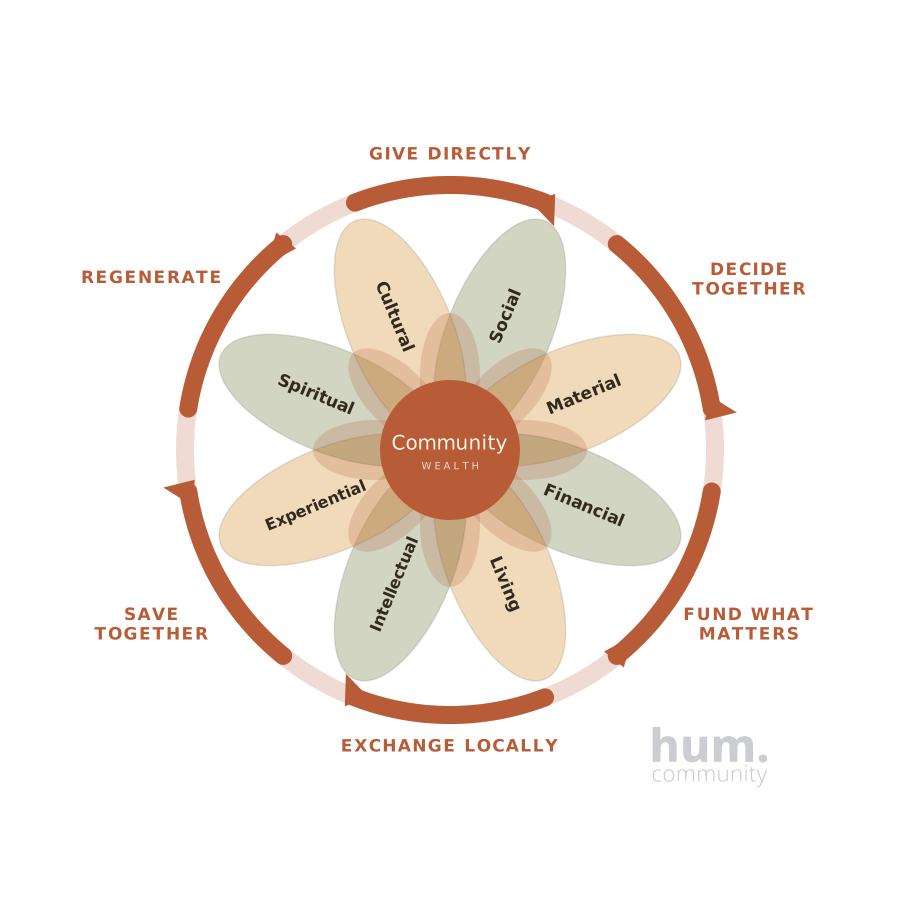
Elinor Ostrom won a Nobel Prize proving this works. Raghuram Rajan showed societies destabilise when markets and states grow while community shrinks. And money is only one of at least eight forms of capital that communities hold: financial, material, living, social, intellectual, experiential, spiritual, and cultural. Our current economic systems focus on just two: financial and material. Web3 opened new ways to coordinate resources without central gatekeepers.
What's been missing is scalable civic infrastructure that puts this knowledge back into everyday practice.
That's what we are building.
What we do
Open civic infrastructure that restores economic agency to hyper-local communities, in three layers.

Layer 1
Spend together
Communities govern shared funds directly, with equal say over what deserves support. No legal entity, no application forms, no gatekeepers.

Layer 2
Flow together
Funders, community organisations, and local groups become one connected economic region. Money flows continuously downstream; data and impact flow upstream. Funding behaves like a river, not a dam. Trust starts to build.

Layer 3
Build together
Communities create and retain wealth of their own, in all its forms. Skills, time, care, knowledge, and savings circulate between neighbours instead of leaking out. Money is the entry point, but the wealth that stays is social, cultural, and living capital: the forms an economy of extraction cannot see and cannot take.
Why it works
This is not a hopeful theory. It is one of the better-evidenced ideas in public health.
−14%
unplanned hospital admissions over four years
When Frome, a Somerset town of 28,000, systematically connected isolated people into community groups, while admissions rose 28.5% across the rest of the county. No drug or policy on record has achieved this across a whole population.
20 yrs
of participatory budgeting data from Brazilian cities
Communities that controlled budgets shifted spending towards health, grew civil society, and reduced infant mortality, strengthening the longer they kept deciding (Touchton & Wampler, 2014). Power follows budgets. People who allocate real resources together stop being recipients and become governors.
Hum turns this evidence into infrastructure any community can use. Each fund is small. The network is not.
The change we expect
Near term
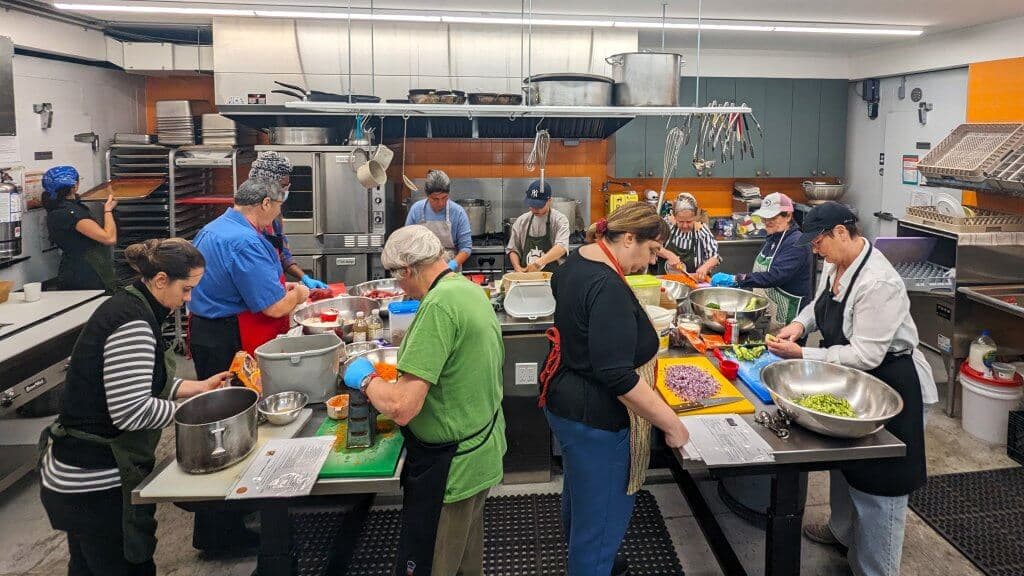
Funders reach the ground with radically less overhead, and communities fund what they already know they need.
Medium term
A network of communities with proven capability to govern resources, and funders confident enough to devolve real power.
Long term
Community restored as a genuine economic actor, and wealth measured in all eight of its forms, not just the one that fits in a bank account. A wellbeing economy, built from the smallest unit upward.
Why now
The old model is failing in plain sight. Waiting means the vacuum gets filled by something worse. For the first time, the technology to run the alternative exists, and it's cheap enough for any neighbourhood. Communities have always been able to govern resources. The question is whether we build the infrastructure fast enough to hand the power back.